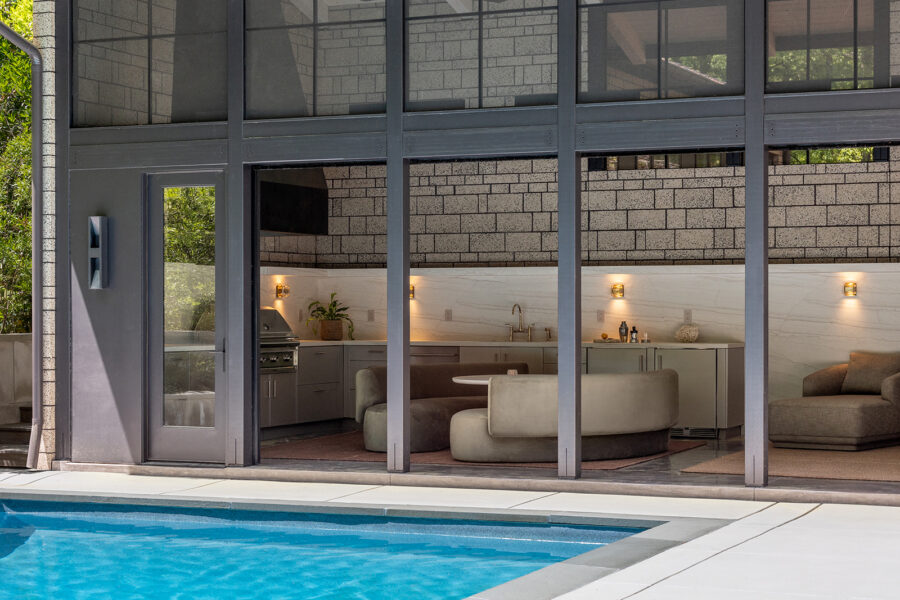

An outdoor kitchen can transform a patio, deck, rooftop, or backyard into a more functional extension of the home. With the right layout, appliances, cabinetry, and installation plan, an outdoor kitchen creates a dedicated space for cooking, dining, relaxing, and entertaining.
Whether you are planning a compact backyard kitchen with a built-in grill or a fully customized luxury outdoor kitchen, the most successful projects start with clear goals and durable materials. This guide walks through the key steps of outdoor kitchen planning, from choosing the best location to selecting stainless steel outdoor kitchen cabinets, appliances, utilities, lighting, and finishing details.
Step 1: Define Your Outdoor Kitchen Goals
Before selecting appliances, finishes, or cabinetry, think about how you want the space to function. A homeowner who grills occasionally may need a smaller cooking station with storage, while someone who entertains frequently may want refrigeration, bar seating, a sink, trash storage, and multiple prep zones.
Start by asking:
- Will this be primarily a cooking space, an entertaining space, or both?
- How many people do you typically host?
- Do you want counter seating, a dining area, or both?
- Which appliances do you use most often?
- Do you need outdoor kitchen storage for utensils, grill tools, serveware, or cleaning supplies?
- Will the space be used seasonally or year-round?
Your answers will help define the outdoor kitchen layout, appliance package, cabinetry needs, and overall footprint.
For more inspiration, explore Danver’s outdoor kitchen design ideas.

Step 2: Choose the Best Location
Location is one of the most important decisions in outdoor kitchen planning. The right placement improves convenience, traffic flow, comfort, and installation efficiency.
Proximity to the Home
Placing an outdoor kitchen closer to the home can make it easier to move food, dishes, and supplies between indoor and outdoor spaces. It may also simplify utility connections for gas, electric, water, and drainage.
Wind Direction
Think about where smoke and heat will travel. Avoid placing grills, pizza ovens, or smokers where smoke will consistently blow toward seating areas, doors, windows, or neighboring spaces.
Sun and Shade
Evaluate the amount of direct sunlight the area receives throughout the day. A pergola, roof structure, shade screen, or strategically placed trees can make the outdoor living space more comfortable during warmer months.
Views and Traffic Flow
An outdoor kitchen should feel connected to the rest of the backyard. Position the kitchen to preserve views, support conversation, and allow guests to move easily between cooking, dining, lounge, and pool areas.

Step 3: Select the Right Outdoor Kitchen Layout
The best outdoor kitchen layout depends on the size of your space, how you cook, and how you entertain. A thoughtful layout should create efficient zones for cooking, prep, serving, storage, and cleanup.
Straight Layout
A straight outdoor kitchen layout works well for smaller patios, narrow decks, rooftops, and compact grilling stations. This simple configuration places cabinetry, appliances, and counter space in one clean run.
L-Shaped Layout
An L-shaped outdoor kitchen is one of the most popular layouts because it creates natural separation between cooking and prep areas. It also helps maximize corner space while keeping the design open for guests.
U-Shaped Layout
A U-shaped outdoor kitchen works well for larger outdoor living areas. It provides generous countertop space, strong workflow, and room for multiple appliances, storage zones, and seating options.
Outdoor Kitchen Island
An outdoor kitchen island creates a social focal point. It can include a built-in grill, prep space, bar seating, refrigeration, storage, or serving areas. Islands are especially useful when the goal is to keep the cook connected to guests.
For custom configurations and cabinetry options, explore Danver’s stainless steel outdoor kitchen cabinets.

Step 4: Choose Durable Outdoor Kitchen Materials
Outdoor kitchens are exposed to moisture, heat, cold, UV rays, grease, wind, and changing weather conditions. Because of this, material selection is one of the most important parts of outdoor kitchen installation.
For cabinetry, stainless steel is one of the strongest choices for luxury outdoor kitchens. Stainless steel outdoor kitchen cabinets offer:
- Long-term durability
- Resistance to corrosion
- Low maintenance
- Clean, modern design flexibility
- Reliable performance in outdoor environments
- Strong storage for cooking and entertaining essentials
Danver manufactures built-to-order stainless steel outdoor kitchen cabinetry designed specifically for exterior spaces. Powder coat finishes add color and design flexibility while helping protect the cabinetry from outdoor conditions.
Explore Danver’s powder coat finishes and door styles to see how stainless steel cabinetry can be customized for modern, transitional, and traditional outdoor kitchen designs.
Step 5: Select Outdoor Kitchen Appliances and Features
Outdoor kitchen appliances should match the way you cook and entertain. The right mix of features can make the space more useful, reduce trips indoors, and create a more complete outdoor living experience.
Popular outdoor kitchen appliances and features include:
- Built-in grills
- Side burners and power burners
- Pizza ovens
- Ceramic smoker cabinets
- Outdoor refrigerators
- Beverage centers
- Ice makers
- Outdoor sinks and faucets
- Trash pull-outs
- Storage drawers
- Warming drawers
- Bar and bartender stations
When choosing appliances, plan around workflow. Keep prep space near the grill, provide landing space for hot dishes, place refrigeration where guests can access drinks easily, and include storage close to where items will be used.
Outdoor kitchen cabinets that accommodate grills, sinks, refrigeration, and specialty appliances help create a cleaner, more integrated design.
Step 6: Plan Utilities Early
Utility planning should happen before construction begins. Waiting too long to coordinate gas, electric, water, drainage, and ventilation can lead to costly changes during installation.
Depending on the design, your outdoor kitchen may require:
- Gas lines for grills, burners, or other cooking appliances
- Electrical wiring for refrigeration, lighting, outlets, and ignition systems
- Water lines for sinks, ice makers, or outdoor bar areas
- Drainage for sinks and prep stations
- Ventilation for covered kitchens or enclosed cooking areas
Always work with qualified professionals and follow local building codes. A licensed contractor can help confirm utility placement, appliance clearances, ventilation requirements, and safe installation practices.
Danver’s installation and specification resources can help homeowners, builders, designers, and architects plan cabinetry details before installation.

Step 7: Incorporate Outdoor Kitchen Storage and Prep Space
Storage is essential for keeping an outdoor kitchen clean, organized, and easy to use. Without the right cabinetry, grill tools, cleaning supplies, serveware, and outdoor entertaining items often end up scattered between the indoor kitchen, garage, and patio.
High-quality outdoor kitchen cabinets can provide storage for:
- Cooking utensils
- Grill accessories
- Outdoor dinnerware
- Cleaning products
- Towels and paper goods
- Serving trays
- Bar accessories
- Seasonal entertaining essentials
Countertop space is just as important. A well-planned outdoor kitchen should include enough prep area near the grill and enough serving space near dining or seating areas. Larger luxury outdoor kitchens may benefit from multiple prep zones so cooking, serving, and cleanup can happen at the same time.
Step 8: Add Lighting and Finishing Details
Lighting improves both the function and atmosphere of an outdoor kitchen. A layered lighting plan makes the space easier to use after sunset and helps create a more polished outdoor living environment.
Consider adding:
- Task lighting over grills and prep areas
- Ambient lighting for dining and lounge areas
- Accent lighting for architecture, landscaping, or cabinetry
- Under-counter lighting
- Pendant lighting above islands or bar seating
Finishing details also help the outdoor kitchen feel connected to the home. Outdoor furniture, planters, privacy screens, pergolas, fire features, and integrated audio can all contribute to a more complete backyard kitchen and entertaining space.
Step 9: Work With Outdoor Kitchen Experts
An outdoor kitchen is a long-term investment. Working with experienced outdoor kitchen professionals helps ensure the layout, cabinetry, appliances, utilities, and installation details are properly coordinated from the start.
Danver Outdoor Kitchens partners with homeowners, designers, builders, architects, landscape architects, and trade professionals to create custom stainless steel outdoor kitchens that combine performance, craftsmanship, and elevated design.
Learn more about Danver’s experience as an outdoor stainless steel cabinet manufacturer.
FAQs About Outdoor Kitchen Planning
What is the best layout for an outdoor kitchen?
The best outdoor kitchen layout depends on the size of the space and how you plan to use it. Straight layouts are ideal for compact areas, L-shaped layouts work well for most patios and backyards, U-shaped layouts provide more counter space for larger kitchens, and outdoor kitchen islands create a social hub for entertaining.
What is the best material for outdoor kitchen cabinets?
Stainless steel is one of the best materials for outdoor kitchen cabinets because it is durable, low maintenance, and designed to perform in exterior environments. Powder-coated stainless steel cabinetry adds color, design flexibility, and additional surface protection.
What utilities are needed for an outdoor kitchen?
Many outdoor kitchens require gas, electric, water, drainage, and ventilation. The exact requirements depend on the appliances and layout. Utilities should be planned early and installed by qualified professionals according to local codes.
How much storage does an outdoor kitchen need?
Storage needs depend on how often you cook outdoors and what you want to keep outside. At minimum, plan space for grill tools, cooking utensils, cleaning supplies, and basic serving items. Larger outdoor kitchens may also need drawers, trash pull-outs, wall cabinets, bar storage, and appliance cabinets.
When should I choose appliances for my outdoor kitchen?
Choose appliances early in the planning process. Grills, sinks, refrigerators, pizza ovens, side burners, and beverage centers all affect cabinetry dimensions, utility placement, ventilation, and countertop layout.
Final Thoughts
Planning and installing an outdoor kitchen is an opportunity to create a more functional and enjoyable outdoor living space. By choosing the right location, layout, appliances, cabinetry, utilities, lighting, and finishes, you can build a backyard kitchen that supports everyday cooking, weekend entertaining, and long-term outdoor living.
From compact grilling stations to fully customized luxury outdoor kitchens, thoughtful planning is the key to a space that looks beautiful and performs for years to come.
To explore premium stainless steel outdoor kitchen cabinetry, visit Danver Outdoor Kitchens.
This article is based on industry knowledge and research by outdoor kitchen design professionals, including our in-house experts and engineers with decades of experience.Our goal at Danver is to provide factual information on relevant topics to help readers make informed decisions about their outdoor living spaces.
This article uses trusted sources with references hyperlinked to the source material.